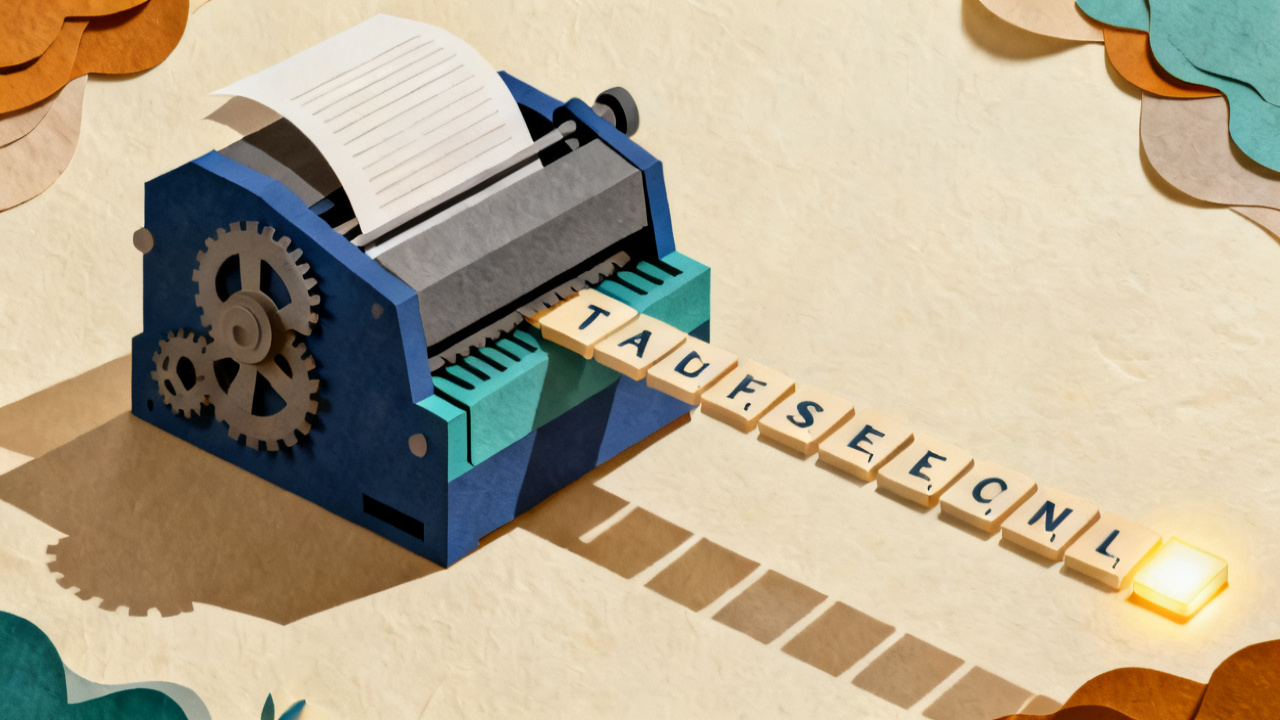
Artificial Intelligence. It can sound technical, futuristic, or even intimidating. But the basic idea is simpler than it sounds. At its core, AI is about patterns.
AI systems are trained on many examples. From that training, they identify patterns and use those patterns to make predictions, suggestions, or responses.
That might mean predicting:
the next word in a sentence,
whether an email is spam,
what video someone might like next,
what object appears in a photo,
how to translate a sentence,
or how to respond to a question.
So when we say "AI," we are not talking about one single tool. We are talking about a broad category of technologies that use patterns from training data to help people work faster, solve problems, create, organize, and explore ideas in new ways.
Simple definition
"AI is software trained on examples so it can use patterns to make predictions, suggestions, or responses."
It can be useful — but it is not magic, and it is not human intelligence. The rest of this page makes it click. Tap along.
First — what's intelligence?
Forget computers for a second. Before the "artificial" part, here's plain old intelligence. Tap each one.
Intelligence = learning from experience, then using it to figure new things out. Hold onto that — because AI borrows just one piece of it (finding and using patterns) and skips the understanding entirely.
So what's artificial intelligence?
"Artificial" just means people built it. AI is not human intelligence, and it is not magic — it is pattern-based software. It is trained on huge numbers of examples, finds the patterns in them, and uses those patterns to produce a best guess.
Here's the honest part most people never hear: it does not understand anything, it does not feel anything, and it does not want anything. It produces a best guess based on the data and instructions it was given. That is the whole trick behind every "AI" you have heard of.
"AI is software trained on examples so it can use patterns to make predictions, suggestions, or responses."
Watch a prediction in action.
A chatbot is trained on more text than anyone could read in a thousand lifetimes — enough to capture which words usually follow which. Tap to fill each blank the way AI would predict it.
Nobody typed those answers in. They are predicted from patterns in the training data. Stretch that same idea across whole paragraphs and you get a chatbot. That's the engine inside all of it.
Here's the part most people miss: "AI" isn't one thing.
Remember those predictions we listed up top — the next word, spam, a video, a photo? Each one is a different AI, trained for a different job. Tap a few.
Totally different jobs — but the same idea underneath: patterns from training data → a prediction. So when someone says "AI," they're usually pointing at just one cousin in a big family.
You've got the foundation
AI = software trained to find patterns and make predictions. Not magic. Not a mind. Not human intelligence — just very good pattern-matching.
(Under the hood it's all math — but you never need the math to get it.)
Ready to really understand it?
Now that the word "AI" means something, the journey takes you the rest of the way — how to spot when it's wrong, how to get good answers, and how to protect yourself. Same plain-English voice, about half an hour.